
01🔎
Verify the download source
Check the domain and the download page. Avoid unfamiliar ads, unsolicited links or unofficial installers.
Read guideExplore self-custody with clear guidance for key management, recovery backups, multi-chain asset views and safer transaction reviews.
Good security is a habit of careful, repeatable decisions.
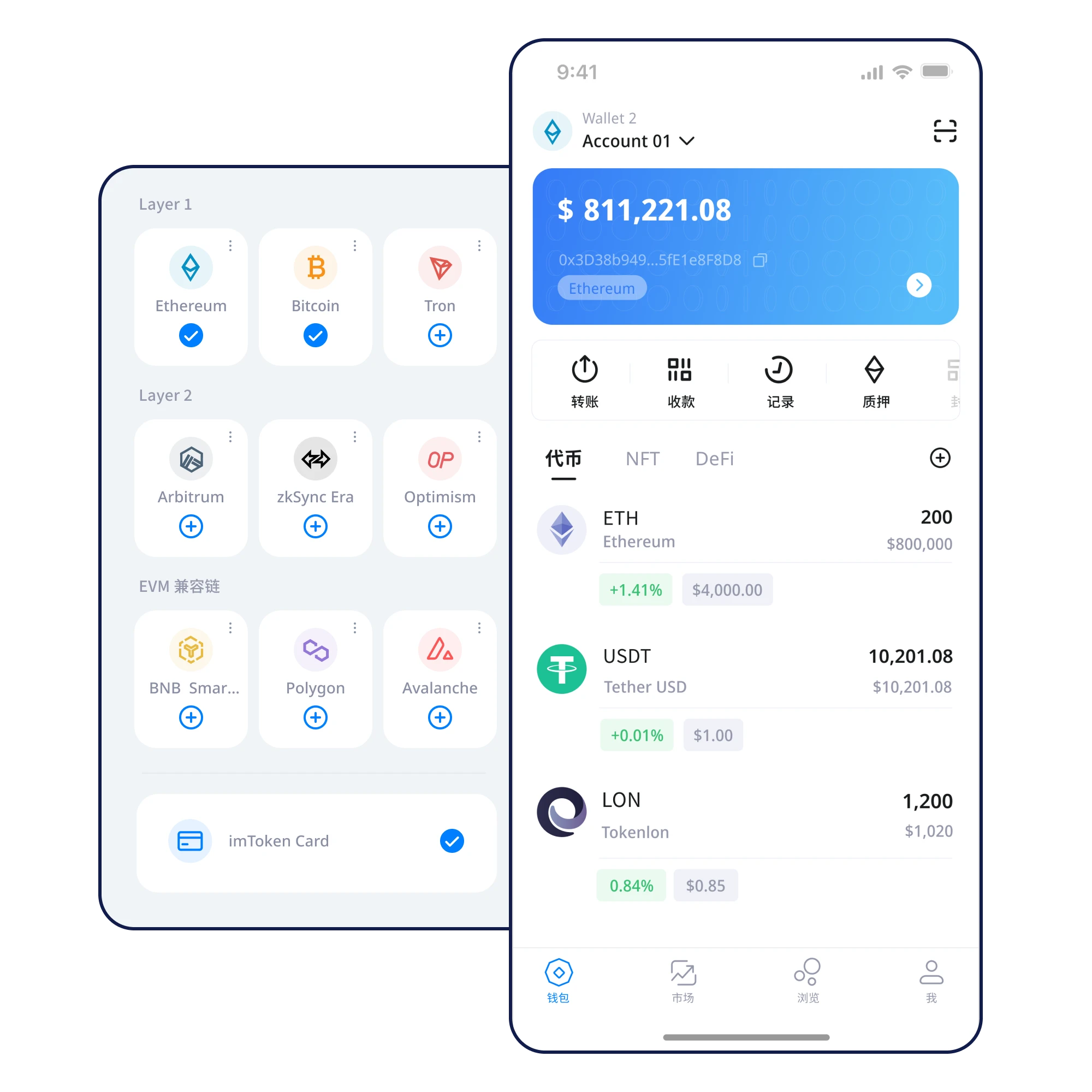
Interface preview
This sample interface shows how balances, networks and status cues might be organized. All values are illustrative, not live balances or promised features.
Getting started
Follow a practical sequence, with an in-depth guide for every stage.
Check the domain and the download page. Avoid unfamiliar ads, unsolicited links or unofficial installers.
Read guideSecure your device and follow the setup flow. Creating a wallet and importing an existing one are different actions.
Read guideWrite the words in the correct order in a private environment. Never save them in screenshots or shared cloud storage.
Read guideDouble-check the phrase order and choose a secure offline location before relying on the wallet.
Read guideOrganize assets by chain and network. Identical token symbols do not mean the networks are interchangeable.
Read guideCheck the address, chain, amount and fee. Decline signing requests you cannot understand.
Read guide01 · Core principle
Explore local key ownership, device hygiene and offline recovery backups as core self-custody habits.
Explore the guide
02 · Core principle
A recovery phrase is useful only if it is accurate, protected and available when you need it. Verify before switching devices.
Explore the guide
03 · Core principle
Review the network, destination, asset and permissions. If a signing request is unclear, decline it.
Explore the guide
Security by design
Know who controls the signing keys before taking action.
Independently confirm the recipient, network and permissions.
Prepare dependable offline recovery before moving value.
Learning library
Find the right guidance for the task in front of you.
Choose a guide that matches what you need to do next.
Prepare a trusted device, understand your recovery phrase and follow a careful first-time setup process.
Open chapterOrganize your asset view by network and avoid assuming that tokens with the same name can move across chains automatically.
Open chapterReview the destination address, network, token and amount before signing. Small test transfers can help when appropriate.
Open chapterConfirm that your recovery backup works before switching devices, and never share it with online support accounts.
Open chapterRisk awareness
Impersonation, unfamiliar signing requests and phrase harvesting often involve urgency. Stop and verify before proceeding.
Spot phishingSelf-custody means controlling your own credentials. Verify the actual implementation before relying on any wallet; a UI preview is not proof of custody.
Checking on-chain activity and broadcasting transactions require connectivity, but recording recovery credentials should be done offline.
Record the words in order offline, and avoid screenshots, chats, email, cloud documents and unfamiliar websites.
A private key enables signing for an address; a recovery phrase commonly restores a set of wallet keys. Both require careful protection.
A safer start begins with understanding
Verify your source, plan your backup, and review addresses and networks before each transaction.
⬇ Download NowConfirm the app source before installation. Product interfaces shown are illustrative.